




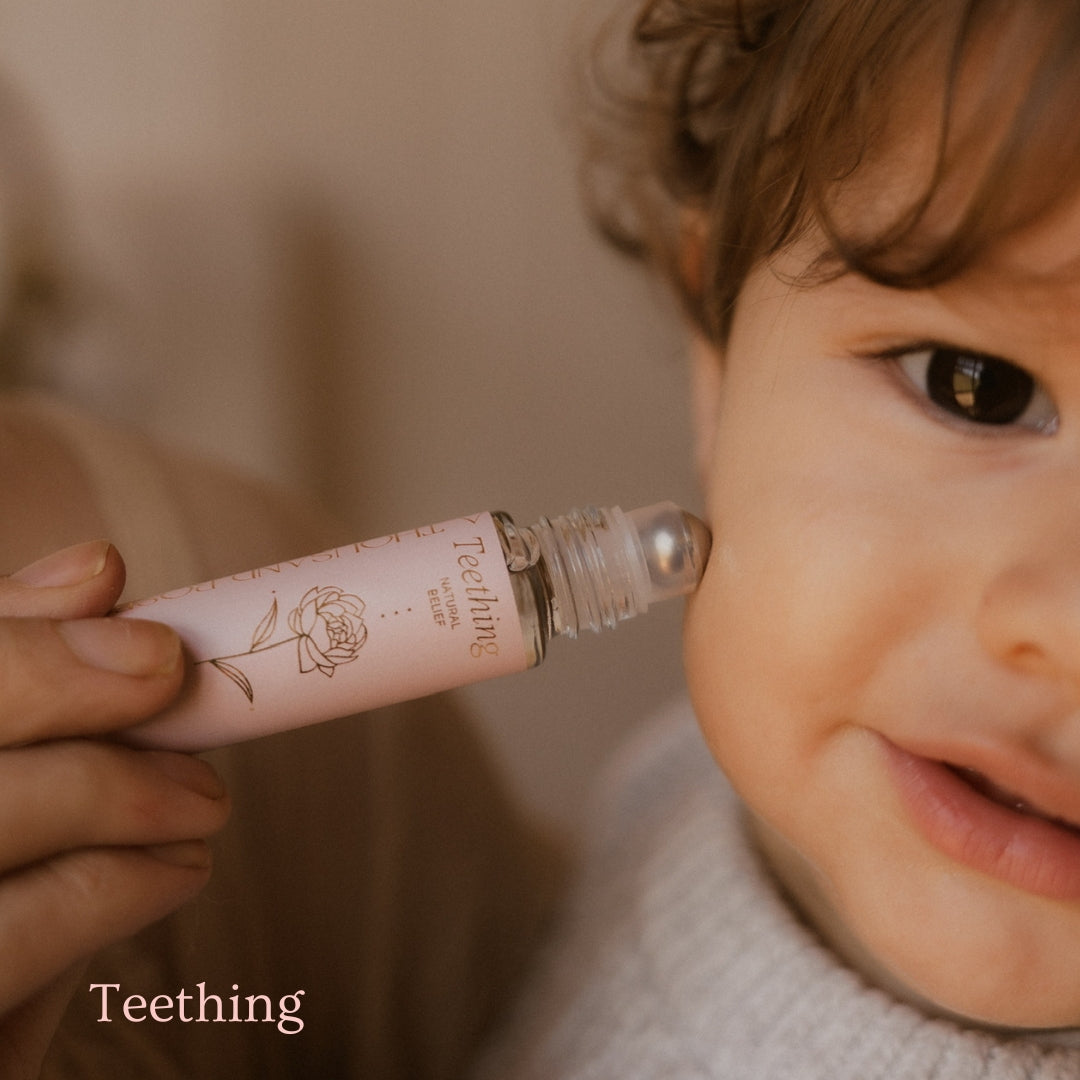




Works well it’s a it big on my daughters wrist but a little bit tight around the ankle but works well. Will be ordering the necklace next
Magic! Our wee girl slept for 9 hours without needing a resettle! Love it!!!

Your cart is empty
Women's Sleep Roller
FREE on orders A$85+
Save up to 30%
Shop our Bundle Sale

Get 15% off every month & more...
Buy 3 Teething Rollers
Get a FREE Non Toxic
Food Teether & Shipping
Buy 3 Calm Sleep Balms
Get a FREE Sweet
Dreams Roller & Shipping
Popular searches
Featured products





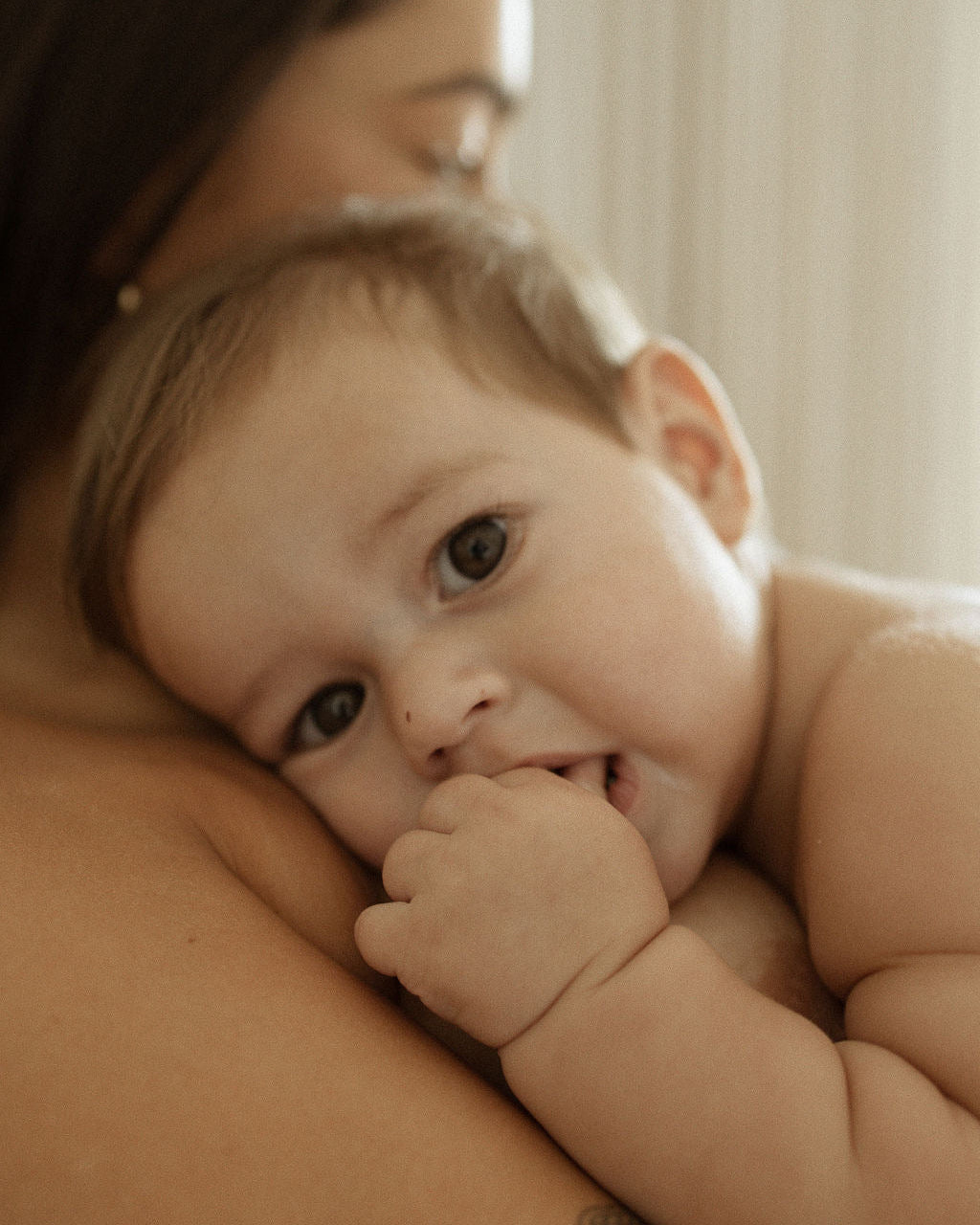
If you’ve found yourself wondering, is my baby teething? ~ you’re not alone. Every baby experiences teething differently. Some seem barely bothered, while others feel every tooth as it moves. Understanding the common signs can help you feel more prepared, more confident, and better able to support your little one through this stage.
Most babies begin teething between 4 and 7 months, but there is a wide range of normal. Some babies get their first tooth at 3 months, while others may not see one until after their first birthday.
Teething is not a race. Like rolling, crawling and walking, babies move through milestones in their own time.
Often, the earliest signs appear before the tooth is visible. Teeth move beneath the gums first, which can create pressure and discomfort.
Common early signs include:
Sometimes parents notice something feels different before they can explain why. Trust that instinct.

Excess drooling is one of the most common teething signs. As teeth begin moving, babies often produce more saliva. This can lead to:
Keeping the skin dry and using a gentle barrier balm around the chin can help protect delicate skin.
Pressure on the gums can feel uncomfortable, and chewing gives babies natural relief.
You may notice your baby chewing:
This urge to chew is often a strong clue that teeth are on the move.
Yes, very commonly. Teething discomfort can make babies feel unlike themselves.
They may seem:
This isn’t “bad behaviour.” It is usually a baby asking for support the only way they know how.
It can. Many parents notice sleep disruptions during teething periods. Your baby may:
This often happens because gum discomfort feels more noticeable when everything becomes quiet at bedtime. Gentle bedtime routines, cuddles, warm baths and calm environments can be especially supportive during this phase.
Yes. Some babies feed more for comfort, while others feed less because sucking can increase gum pressure.
You may notice:
If feeding changes are significant or prolonged, it is always worth checking with your healthcare professional.
Teething gums may appear:
Sometimes you can even see the pale outline of the tooth beneath the gum.
Not every baby shows visible gum changes, so lack of swelling does not rule teething out.
Yes, sometimes. Extra saliva and mild inflammation can lead to:
However, if your baby seems unwell, has a high temperature or persistent redness, it may be unrelated to teething.

This is a common question. Teething may cause a slight rise in temperature, but it should not usually cause a high fever.
If your baby has:
...it’s best not to assume teething is the cause. Seek medical advice. Sometimes babies teethe around the same time they pick up common viruses, which can make the two feel connected.
Teething itself does not directly cause colds, but during teething babies often mouth everything, which increases exposure to germs.
Also, extra saliva can create symptoms that look cold-like, such as:
If symptoms worsen or your baby seems sick, consider causes beyond teething.
This depends on the baby and the tooth. Some babies are unsettled for only a day or two. Others may show signs on and off for a week or more.
Often discomfort comes in waves:
1. Tooth starts moving
2. Pressure increases
3. Tooth erupts through gum
4. Symptoms settle
Then a peaceful stretch... until the next tooth begins.
Every baby is different, but many parents notice stronger reactions with:
Some babies breeze through early teeth then struggle later, while others do the opposite.
Gentle support often makes a big difference.
Try:
Sometimes what babies need most is regulation, reassurance and patience.
Usually, no. Some babies simply teeth later. If your baby is otherwise developing well, delayed teething is often normal. If there are no teeth by around 18 months, or you have concerns, speak with your doctor or child health nurse.

Teething symptoms tend to be mild and revolve around gums, chewing, fussiness and sleep disruption.
Consider another cause if your baby has:
Parents know their babies best. If something feels off, trust that feeling.
Some babies feel teething more intensely. That doesn’t mean anything is wrong. They may simply be more sensitive, more aware of body sensations, or moving through several changes at once — growth spurts, developmental leaps, sleep regressions and teething can overlap.
This is often a season to soften expectations and offer more comfort than usual.
If your baby is drooling more, chewing everything, waking often, fussier than usual and wanting extra closeness... teething is a very possible reason.
While this stage can feel tiring, it is temporary. Each tooth that arrives is part of your baby growing, changing and finding their way through the world. And while they may not remember these days, they will remember the feeling of being soothed, held and cared for through them.






Read more
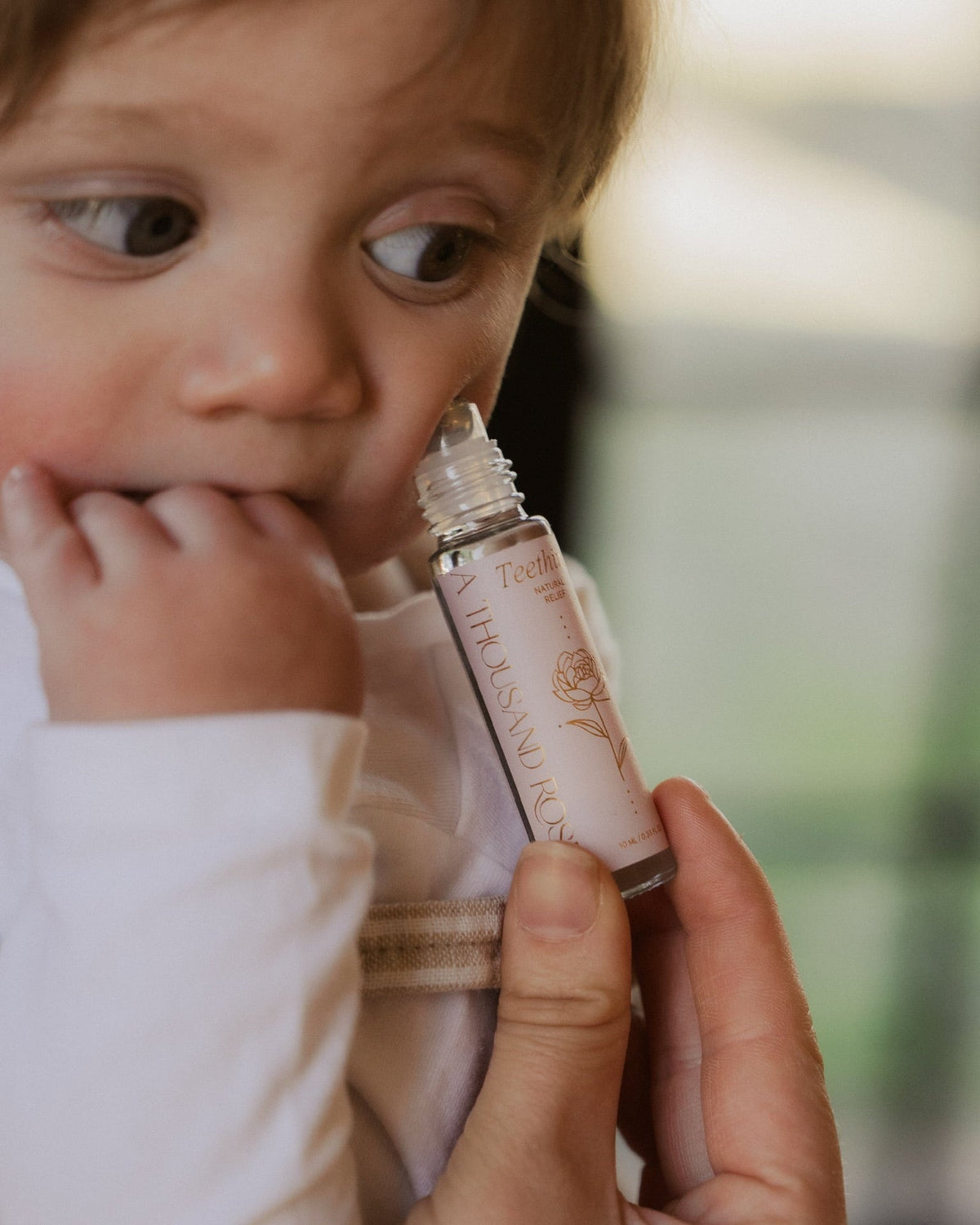
Our Teething roller has a very powerful ingredient, which has been used in places like South America culturally as natural a medicine for tooth issues, along with many other ailments, for many many...
Our Teething roller has a very powerful ingredient, which has been used in places like South America culturally as natural a medicine for tooth issues, along with many other ailments, for many many...